.svg)
.svg)

What if the subtle physical shifts that threaten your dog's wellbeing show no obvious symptoms until a minor issue turns into a crisis? Dogs are masters at hiding discomfort, which is why so many loving pet parents find themselves asking, how often should I take my dog to the vet if they appear completely fine? It's natural to worry whether an annual checkup catches hidden issues, especially when clinic visits cause your four-legged family member stress and anxiety.
Routine wellness visits are far more than a quick check for booster shots; they evaluate quiet internal changes, keeping minor conditions from becoming serious medical events. In this guide, you will discover the ideal veterinary visit schedule for your dog across every life stage to protect their long-term health and wellbeing. We explore the essential checkups mapped to your dog's age, how to recognise early warning signs at home, and ways to build a gentle, collaborative partnership with your vet.
Key Takeaways
• Map out your companion's clinical needs to understand exactly how often should I take my dog to the vet as their biological aging accelerates.
• Discover why routine wellness visits uncover hidden, asymptomatic conditions long before your dog shows noticeable physical distress.
• Learn what occurs during a thorough nose-to-tail assessment, from dental examinations to subtle early organ screening.
• Spot the quiet behavioural warning signs dogs instinctively use to mask pain so you know when to seek medical advice between scheduled checks.
• Implement gentle handling and visit-preparation techniques to ease clinic anxiety for a calmer, happier veterinary experience.
Canine Vet Visit Schedules: Why Timing Changes Across Life Stages
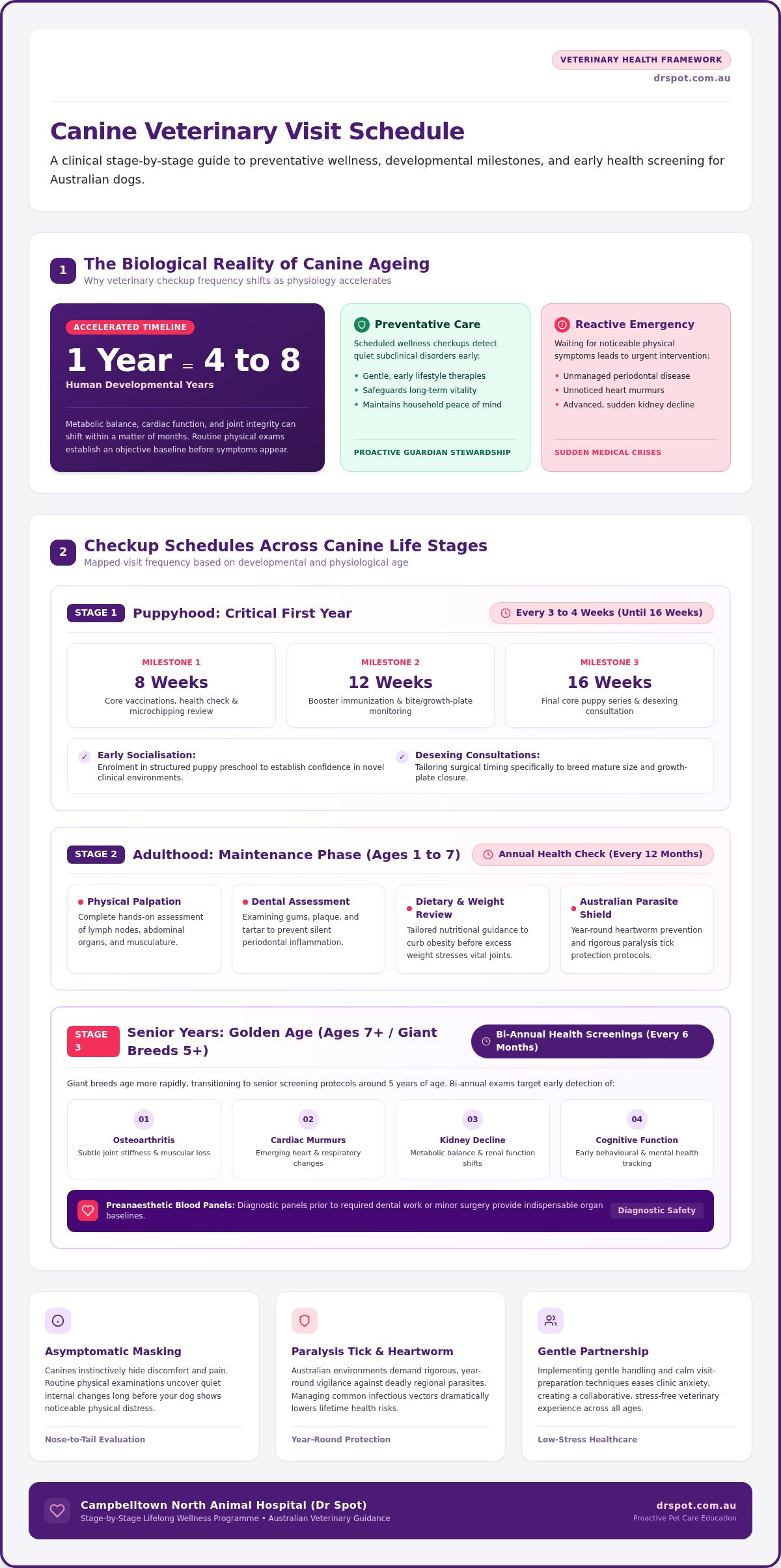
Determining how often should I take my dog to the vet is not about following a rigid calendar formula. Instead, optimal visit frequencies align directly with your companion's evolving physiology. While many guardians view checkups primarily as opportunities to update routine vaccinations, a thorough health assessment involves an in-depth physical examination tailored to age, lifestyle exposure, and specific breed vulnerabilities.
The Biological Reality of How Dogs Age
Canine development moves at an accelerated pace compared to human growth. A single calendar year for a dog represents anywhere from four to eight human developmental years, depending on their mature size and genetics. In such a compressed timeframe, metabolic balance, cardiac function, and joint integrity can shift within a matter of months. A dog who seems lively on the outside may be experiencing silent physiological changes within their internal organs. Reviewing a comprehensive guide to dog health highlights how quickly hereditary issues and subclinical disorders can develop across a canine lifetime. Routine physical examinations give your veterinary team an objective baseline to detect subtle abnormalities long before they impact daily vitality.
Preventative Wellness vs Reactive Emergency Visits
Waiting until clinical symptoms emerge turns veterinary care into an urgent, reactive intervention. Many canine emergencies stem from underlying conditions that advanced quietly over several months, such as unmanaged periodontal disease, developing heart murmurs, or gradual kidney decline. Scheduled wellness appointments provide a protective shield against these sudden medical crises. By monitoring your dog at planned intervals, manageable conditions are resolved early with gentle therapies and lifestyle adjustments. Practising this form of proactive guardian stewardship safeguards your household peace of mind and keeps your companion comfortable, vibrant, and happy for years to come.
Puppy, Adult, and Senior Dog Checkup Timelines Explained
Tailoring veterinary visits to distinct developmental stages ensures your companion receives the exact care required as their body changes. Understanding how often should I take my dog to the vet comes down to mapping their breed size, current age, and environmental exposures into a sensible wellness routine.
The Critical First Year: Puppy Vaccination and Development Milestones
Puppies need frequent clinic visits every three to four weeks until they reach sixteen weeks of age. Key developmental visits typically occur around eight, twelve, and sixteen weeks. These appointments cover core vaccinations, microchipping, and developmental checks for growing joints and bite alignment.
Early Socialisation
Enrolling in a structured puppy preschool builds lifelong behavioural confidence in novel clinical spaces.
Desexing Consultations
Discussing the optimal timing to desex your pets ensures surgical plans align with your puppy's breed size and growth-plate closure.
Adulthood Maintenance: The Essential Annual Health Check
For healthy adult dogs aged one to seven, an annual health check serves as the cornerstone of preventative wellbeing. This consultation combines physical palpation, dental assessments, and tailored dietary advice to prevent obesity before excess weight strains vital joints.
Australian environments demand rigorous, year-round vigilance against deadly regional parasites. Regular assessments ensure your heartworm prevention protocols and paralysis tick protections remain completely up to date. As highlighted by Cornell University on canine health, consistent management of common infectious vectors dramatically lowers lifetime health risks.
The Senior Years: Transitioning to Bi-Annual Health Screenings
Dogs aged seven and older benefit immensely from bi-annual veterinary health checks. Giant breeds age more rapidly, often transitioning to senior schedules around age five. Seeing your veterinary team every six months allows for the early detection of:
• Subtle osteoarthritis and muscular loss
• Emerging cardiac murmurs and respiratory changes
• Kidney decline and metabolic shifts
• Early cognitive dysfunction
Routine diagnostic panels, including preanaesthetic blood tests before required dental work or minor surgery, provide indispensable organ baselines. An experienced clinic like Dr Spot can help you design a gentle, stage-by-stage wellness programme that keeps your mature companion comfortable throughout their golden years.
What Actually Happens During a Comprehensive Vet Health Check?
When guardians consider how often should I take my dog to the vet, they often wonder what actually occurs during those focused minutes in the consultation room. A wellness check is far more than a friendly pat and a quick look in the ears. It is an intricate, nose-to-tail medical assessment designed to identify microscopic health shifts that escape notice during casual daily cuddles.
The Systematic Nose-to-Tail Physical Examination
Your vet moves methodically through every major body system, using clinical observation and targeted touch to uncover early indicators of disease. This hands-on evaluation covers several vital areas:
Ophthalmic and Otic Inspection
Using specialized scopes to examine the inner ear canals for deep inflammation and the eyes for early lens changes or corneal ulcers.
Dental and Oral Grading
Checking gum colour, capillary refill time, and tartar accumulation to catch periodontal disease before it seeds bacteria into the bloodstream.
Cardiopulmonary Auscultation
Listening through a stethoscope to evaluate resting heart rhythms, valve sounds, and pulmonary clarity for murmurs or fluid.
Abdominal Palpation and Joint Mobility
Feeling internal organ margins to detect unusual enlargement or discomfort, paired with gentle limb flexion to evaluate joint stiffness.
Diagnostic Screenings and Baseline Pathology
Internal health cannot always be diagnosed through touch alone. Routine pathology screenings, such as complete blood counts and biochemistry profiles, provide an objective window into kidney function, liver enzymes, and metabolic stability. Catching subtle lab elevations early allows for dietary adjustments before clinical organ disease sets in.
If your companion needs dental care or elective surgery, preanaesthetic blood tests confirm their organs can smoothly clear anaesthetic medications. Combined with regular heartworm antigen checks and faecal screenings, these baseline diagnostics verify that your home parasite preventatives are working flawlessly. Reassessing how often should I take my dog to the vet for these comprehensive physicals gives you clear peace of mind, knowing minor abnormalities are caught long before they turn into invasive medical problems.
Red Flag Symptoms: When to Visit the Vet Between Routine Checks
Scheduled wellness plans establish a dependable rhythm for lifelong health. Even so, learning how often should I take my dog to the vet means knowing when to break routine. Dogs naturally mask vulnerability, carrying an instinctual drive inherited from wild ancestors to hide illness and pain. Because of this evolutionary trait, visible distress rarely marks the start of a condition; it usually means that the discomfort has become impossible for them to conceal.
Subtle Behavioural and Postural Changes Indicating Pain
Physical soreness usually shows up in everyday habits long before vocal whimpering occurs. Look closely at how your dog moves throughout your home:
Hesitation and Stiffness
Pausing before stepping into the car, avoiding household stairs, or taking longer to rise from their bed.
Altered Demeanour
Uncharacteristic withdrawal, snappy irritability, pacing through the night, or persistent lip licking when touched.
Compensatory Postures
Resting in the "prayer position" with their chest down and rear end elevated, arching their spine, or shifting weight to avoid bearing load on a particular limb.
Physiological and Gastrointestinal Warning Signs
Internal distress demands prompt clinical intervention rather than a wait-and-see approach. Diarrhoea or vomiting that persists beyond twenty-four hours rapidly leads to dehydration and electrolyte imbalances, particularly in smaller companions. A sudden spike in thirst accompanied by frequent urination can point directly toward emerging renal stress, diabetes, or endocrine imbalances. Pay close attention to respiratory shifts as well. Ongoing coughing, sudden exercise intolerance, or heavy panting without heat exposure should prompt immediate medical evaluation.
Coat, Skin, and Senses: Surface-Level Indicators
New lumps under the skin, foul ear odours, vigorous head shaking, or persistent paw licking often indicate localized infections, foreign bodies, or allergic flares. Similarly, cloudiness over the eyes, sudden bumping into doorway edges, or nasal discharge warrant a swift physical examination.
Never wait for your companion's next scheduled check if your instincts tell you something is amiss. When unusual physical signs emerge, contact Dr Spot to book an examination so our team can evaluate your companion and restore their comfort.
Partnering with Your Vet: Creating a Stress-Free Lifelong Wellness Plan
A rewarding veterinary relationship functions as a genuine partnership built on shared devotion to your animal's quality of life. Resolving how often should I take my dog to the vet is only half the journey; the experience within the clinic matters just as much. When guardian and clinician collaborate with patience and empathy, medical visits transform from stressful hurdles into comforting, positive encounters.
Transforming Vet Visits into Positive, Low-Stress Experiences
Fear of clinical environments is common, yet thoughtful desensitisation rewrites negative emotional associations. You can ease anxiety through gentle environmental conditioning:
Social Pop-In Visits
Stop by the clinic purely for a tasty treat and affectionate praise from the reception team, stepping back outside without any clinical examination.
Calm Transit Routines
Secure non-slip mats inside the car and spray calming canine pheromones on travel blankets before departure.
Advocate for Gentle Handling
Let the team know if your companion prefers standing examinations on the floor rather than being lifted onto an elevated consult table.
Preparing for Your Dog Checkup to Maximise Value
Your observations at home provide critical puzzle pieces that clinical tests alone cannot supply. Before stepping into the consultation room, record brief notes covering daily food intake, energy patterns, thirst levels, and stool quality. If you have noticed an intermittent limp, an unusual nocturnal cough, or momentary restlessness, capture a short smartphone video. Watching actual footage helps your clinician observe the behaviour in a natural home context.
Arriving with targeted questions also ensures you cover every priority. Inquire about current body condition scoring, emerging dental advice, or exercise adjustments tailored to your dog's changing mobility needs.
Establishing an Ongoing Preventative Care Routine
Booking future checkups well in advance removes administrative hesitation and establishes unbroken medical continuity. Working alongside a dedicated, compassionate veterinary team across every developmental phase ensures small health shifts receive prompt, familiar attention. When considering how often should I take my dog to the vet, remember that consistent preventative care lays the groundwork for vibrant companionship, allowing your family dog to enjoy a long, comfortable, and cherished life.
Protect Your Dog's Vitality Through Every Stage of Life
Caring for your four-legged companion means staying ahead of their changing physiological needs. Finding the right answer to how often should I take my dog to the vet is the first step toward safeguarding their vitality, whether you are guiding an energetic pup through early developmental milestones or supporting a loyal senior dog with bi-annual physical examinations. Routine head-to-tail health checks evaluate silent internal shifts, keeping minor discomforts from turning into stressful crises.
Backed by over 30 years of gentle companion veterinary care, Dr Spot provides complete preventative medicine from puppy preschool through to advanced senior wellness. With dedicated surgical, dental, and preanaesthetic diagnostic capabilities, our experienced team ensures your pet receives the highest standard of compassionate medical attention. Book your dog's gentle health check with Dr Spot today to build a lifelong wellness plan that keeps your best friend happy, comfortable, and thriving by your side.
Frequently Asked Questions
How often should an adult dog go to the vet if they seem healthy?
When asking how often should I take my dog to the vet, an adult companion in good health requires a comprehensive examination at least once every twelve months. Even if your dog looks energetic and happy, silent issues like dental disease, early heart murmurs, and gradual weight gain can develop unnoticed. Annual visits ensure routine booster vaccinations and parasite treatments stay current while giving your vet a vital health baseline.
Do older dogs really need to see the vet every six months?
Yes, senior dogs aged seven and older age much faster than younger companions, making six-monthly checkups essential. Chronic conditions such as osteoarthritis, kidney decline, cognitive changes, and heart murmurs often develop rapidly during these later years. Regular bi-annual examinations give your veterinary team the chance to detect physical discomfort early, adjust therapies, and run baseline blood tests to protect your dog's ongoing comfort and vitality.
How often do puppies need to visit the vet for vaccinations?
Puppies typically visit the veterinary clinic every three to four weeks until they reach sixteen weeks of age. Standard schedules involve appointments at roughly eight, twelve, and sixteen weeks for core vaccinations, microchipping, and developmental checks. These early consultations also offer an ideal setting to enrol in puppy preschool for positive socialisation and discuss the most appropriate timeline to desex your pet.
What happens if I miss my dog annual health check?
Missing an annual wellness check delays the early detection of quiet conditions like periodontal disease, abdominal abnormalities, or subtle joint inflammation. It may also leave your pet vulnerable to lapsed parasite prevention protocols or overdue booster vaccines. If life gets busy and you wonder how often should I take my dog to the vet after a missed appointment, contact your clinic to reschedule their preventative examination.
Can I take my dog to the vet just for a weight check or nail trim?
Popping into your clinic for simple routine maintenance is a wonderful habit for pet parents. Most veterinary practices welcome visits for weight checks, microchip scans, or nail trims between scheduled health checks. These quick visits create positive, stress-free associations with the clinic environment, helping your dog feel relaxed and secure while keeping their weight and claw maintenance on track.
How do I know if my dog needs an immediate vet visit or can wait?
If your companion experiences severe breathing distress, sudden collapse, persistent unproductive retching, acute trauma, or signs of paralysis tick toxicity, seek emergency veterinary attention immediately. Less urgent issues, such as a single episode of diarrhoea, slight limping, or minor skin itchiness, can generally wait for a standard consultation within twenty-four hours. When in doubt, telephone your clinic reception team for triage guidance.
Why does my dog need a physical check before receiving routine medications?
Australian veterinary regulations require an up-to-date physical examination before prescribing or dispensing prescription pharmaceuticals. Your dog's current body weight, cardiac health, and organ function directly influence correct dosing and medication safety. Performing a hands-on physical assessment guarantees the chosen therapy is suitable, ensuring your companion receives safe, effective treatment without the risk of unexpected adverse reactions.
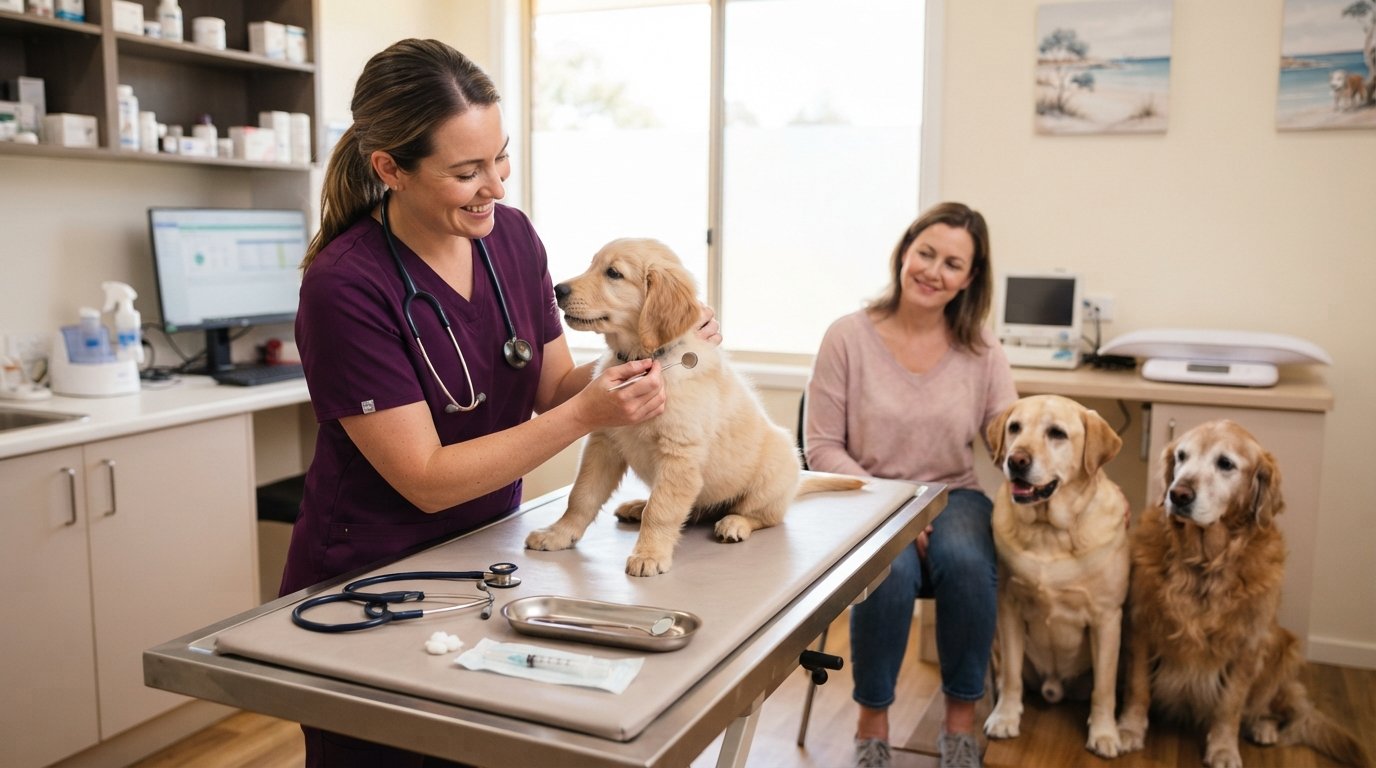
Wondering how often should I take my dog to the vet? Discover essential checkups for every life stage to protect your pet's health. Read our complete guide!
Frequently Asked Questions About Desexing Pets

.svg)
.svg)


Dr. Spot (Campbelltown North Animal Hospital) © Copyright All Rights Reserved 2023